

About this campaign
Looks like your text is -161 character over the limit. Please shorten it to 200 characters or less.
Looks like your text is -161 character over the limit. Please shorten it to 200 characters or less.
Since 1992, the Endangered Species Recovery Program (ESRP) has been working to facilitate the recovery and conservation of threatened and endangered species in California?s Central Valley. However, an unexpected freeze of a critical federal grant has resulted in a significant funding shortfall that threatens to shut down the program entirely. Without immediate support, efforts to save iconic Valley species like the endangered San Joaquin kit fox will cease, undoing decades of research and disrupting ongoing conservation efforts, leaving vulnerable species at risk.
Combating Mange in Urban Areas
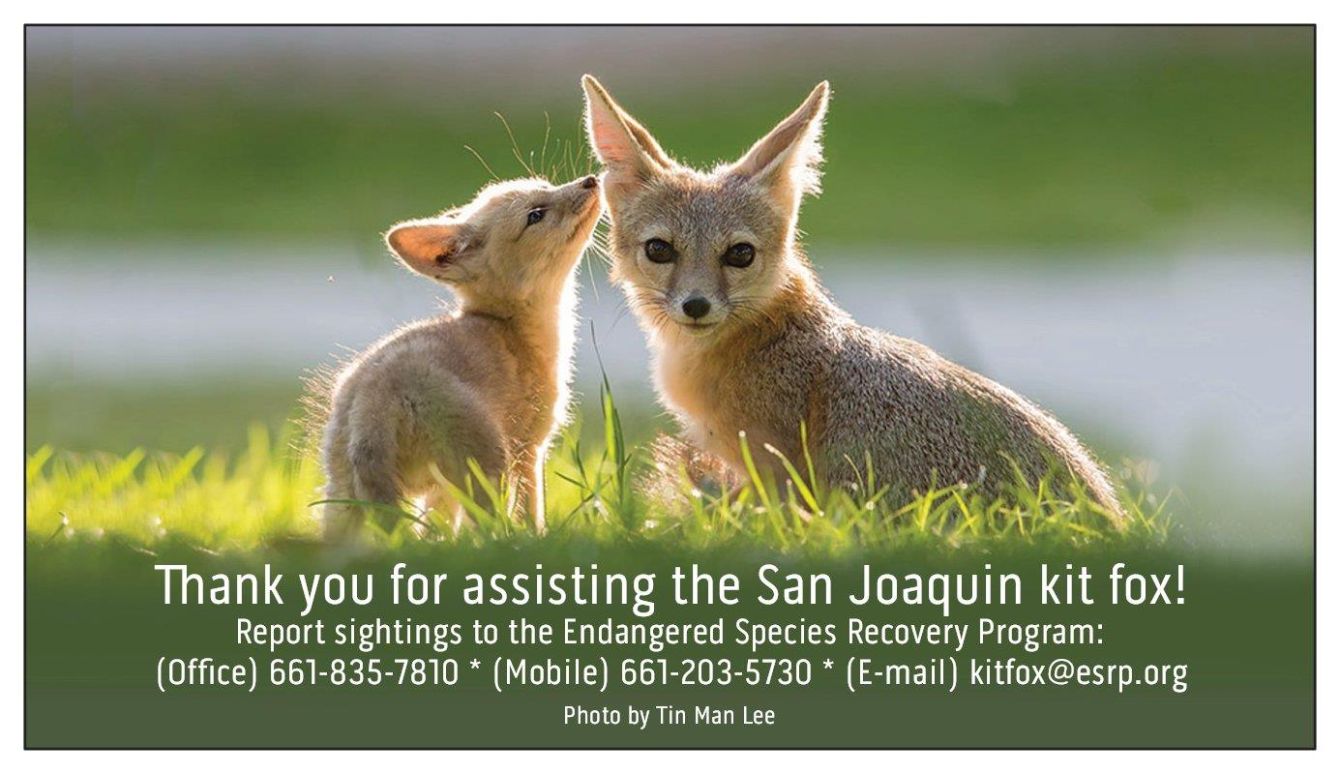
Since sarcoptic mange was first detected in March 2013, ESRP has been studying its impacts in San Joaquin kit foxes living in Bakersfield and Taft, California. The disease is caused by a microscopic mite, Sarcoptes scabiei, and individuals infested with mites often die within 3-4 months. This disease is highly contagious but also treatable as long as sick individuals are rescued in time. Sometimes treatment is as simple as a few drops of medicine on their skin and they can be released right away; other times individuals require hospitalization for 4-6 weeks before they can return home. ESRP biologists are trained in making these assessments in the field, working closely with state and local veterinarians to ensure the best outcome.
In addition to rescuing sick kit foxes, ESRP has been keeping an eye on the population-level impacts of this deadly outbreak for nearly a decade. Their data has shown a 68% decline in the Bakersfield kit fox population, and continued monitoring of the population is needed to determine if the population can recover or if it will continue to decline, requiring intervention.
Other Threats to the Population
Monitoring the health of wildlife also serves as an early indicator of environmental problems that could pose a risk to humans, other wildlife, or domestic animals. ESRP has been working with the California Department of Fish and Wildlife and the US Fish and Wildlife Service to study disease, rodenticide exposure, and other causes of mortality in kit foxes resulting in over 30 years of longitudinal data that have documented emerging threats and trends across their range. With this data, ESRP and wildlife managers have been able to respond to local issues like sarcoptic mange outbreaks, sports netting mortalities, and cases of rodenticide poisoning, to mitigate and reduce the risk of future mortalities through direct intervention, public outreach, and guidance on policy.
How You Can Help!
The California Central Coast Chapter of The Wildlife Society is holding a fundraiser to help ESRP continue their important work. Every charitable contribution - whether it?s a tax-deductible donation or the purchase of a t-shirt - goes towards providing valuable resources for ESRP biologists to continue to help these incredible animals and many others in California.
Together, we can make a difference before it's too late!
Looks like your text is -7018 character over the limit. Please shorten it to 10000 characters or less.
Looks like your text is -9975 character over the limit. Please shorten it to 10000 characters or less.
Looks like your text is -9959 character over the limit. Please shorten it to 10000 characters or less.


