About this campaign
Looks like your text is -113 character over the limit. Please shorten it to 200 characters or less.
Looks like your text is -113 character over the limit. Please shorten it to 200 characters or less.
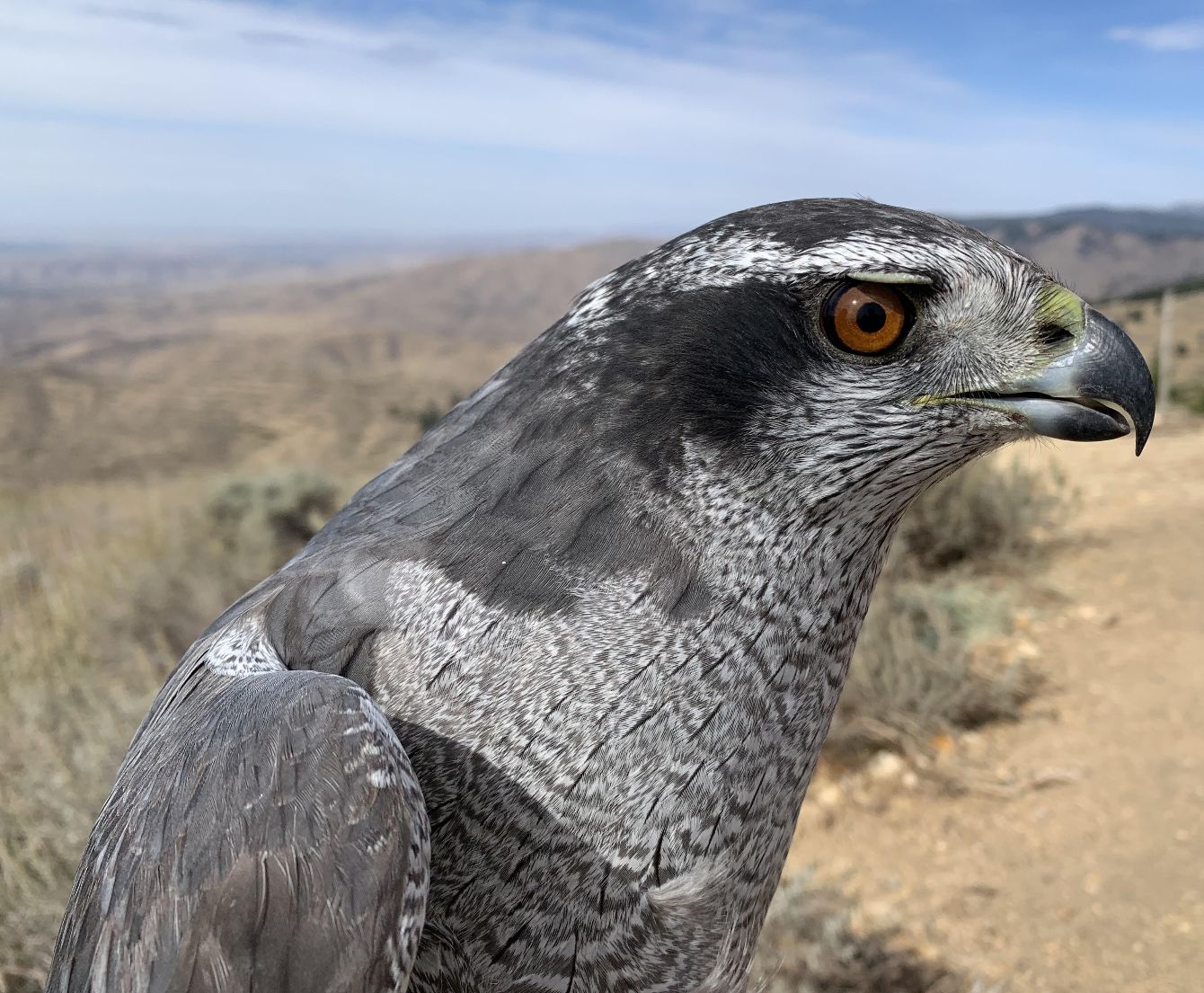
The newly re-classified American Goshawk (Accipiter atricapillus, formerly known as the Northern Goshawk) is experiencing declines throughout the Intermountain West. For the past several years, the Intermountain Bird Observatory (IBO) at Boise State University has studied a large population of American Goshawks distributed throughout several regions of the Sawtooth National Forest. Goshawks in the IBO study area have been reflecting declining rates of occupancy and productivity. Additionally, the rate of breeding territory turnover has increased and is above the long-term average. These trends suggest that this population is experiencing abnormal population changes.
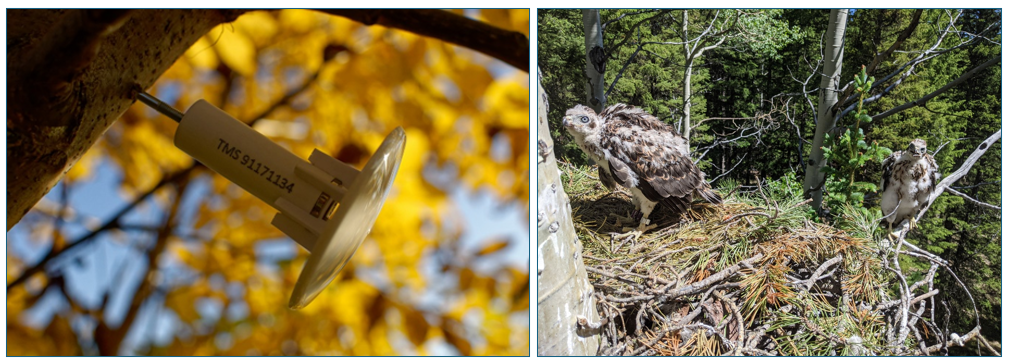
Even with IBO?s research on American Goshawks over the past several years, we still don?t have any data about fine-scale nest microclimate, or how these data may affect larger trends of occupancy and productivity. The American Goshawk Project, a combination of Intermountain Bird Observatory researchers and graduate students in Boise State?s Raptor Biology Program, will be addressing this knowledge gap between goshawk nest microclimate and larger productivity trends. This research team plans to study the microclimate conditions that goshawks experience at the level of the nest by placing thermologgers to remotely record data like temperature and other nest tree/nest stand characteristics.
Looks like your text is -8626 character over the limit. Please shorten it to 10000 characters or less.
Looks like your text is -9781 character over the limit. Please shorten it to 10000 characters or less.
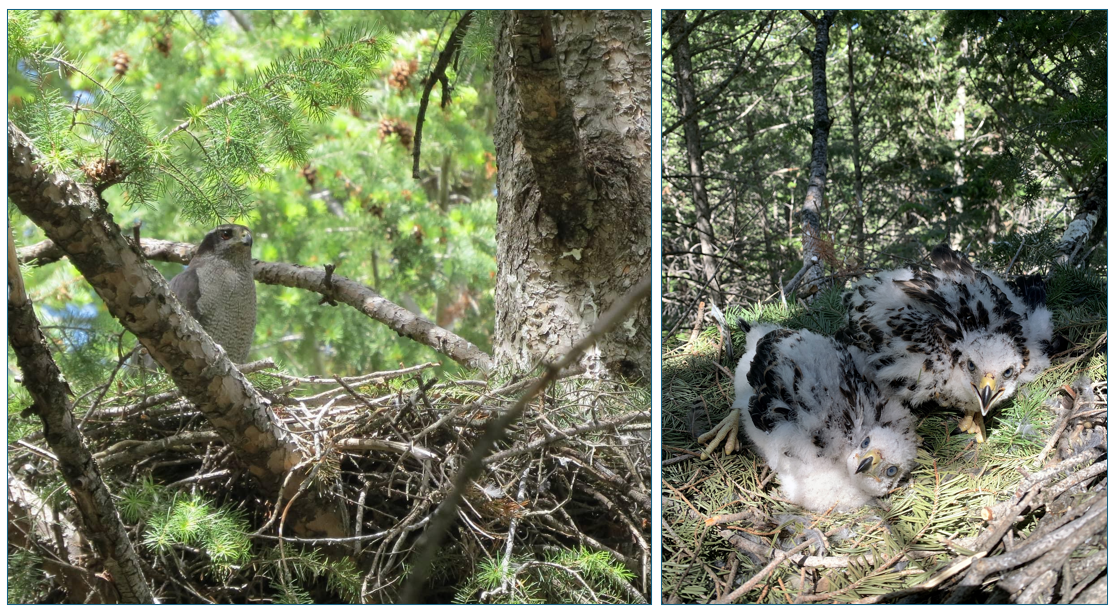
Nest temperature data on this scale has never been collected before in this study area, nor in the broader United States for any raptor species, to our knowledge. This research will give us new insight into questions such as ? how warm does it actually get in the canopy where goshawks nest? What sun exposure do goshawk nestlings experience as canopy cover changes? How does nest microclimate influence goshawk nest success, likelihood of future nesting success, and other long-term breeding trends in goshawk territories? Collecting data with thermologgers will allow researchers to make more informed explanations about what mechanisms might be driving nest failures and decreased productivity rates.
Designing a new study is costly, so Jessy has put together a fundraising campaign to cover the costs of purchasing thermologgers and preparing other field-related needs for deploying thermologgers. The cost of each thermologger is roughly $55 and Jessy?s goal is to raise at least $7,500 for the upcoming field season.
If you are interested and able, please consider purchasing a shirt or sweater sporting the debut of the American Goshawk with artwork created by the immensely talented Emma Regnier, a Lucky Peak alum! (@falcofous) Proceeds from each shirt will directly fund the purchase of thermologger units for this research.
Looks like your text is -8662 character over the limit. Please shorten it to 10000 characters or less.