About this campaign
Looks like your text is -185 character over the limit. Please shorten it to 200 characters or less.
Looks like your text is -185 character over the limit. Please shorten it to 200 characters or less.
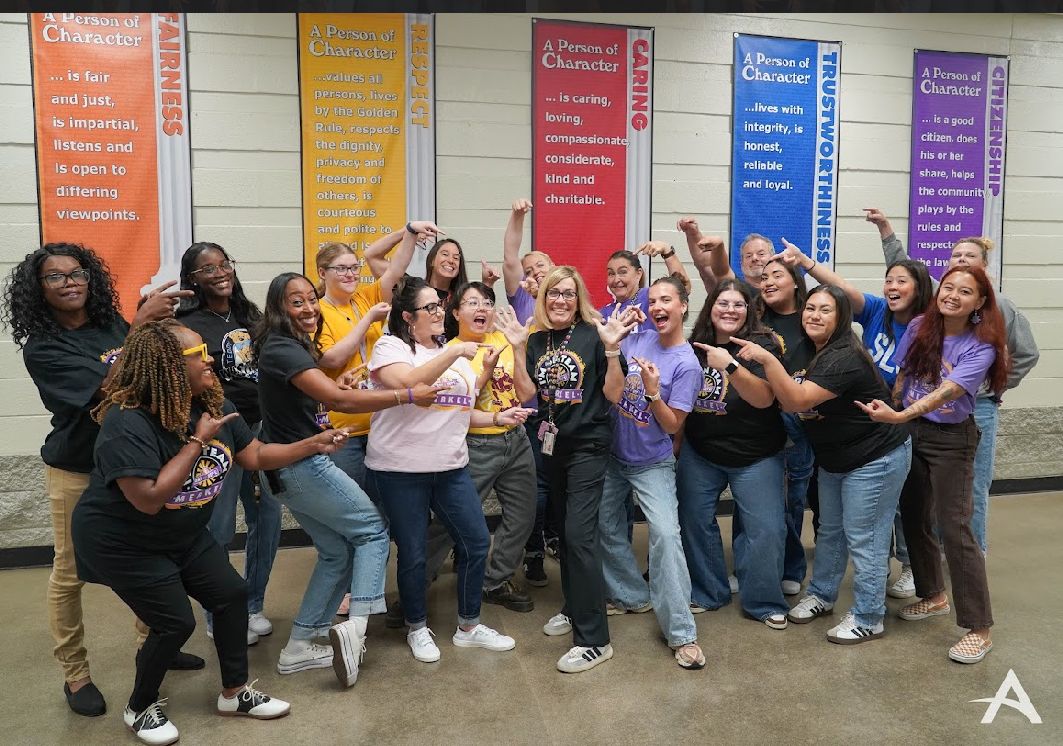
Team MERKEL 2026!
My name is Kristin Merkel, and I am an elementary school mental and behavioral health professional and advocate. I believe I inherited my passion for advocacy from my maternal grandfather, who served as the mayor of a small town in Maryland for many years. While advocacy has always been part of who I am, my own genetic health challenges and journey have deepened and strengthened that passion.
My first appointment with a neurologist was in 2004, after approximately five years of seeking care through my primary healthcare provider. I went into that appointment saying, ?Something is wrong with my legs, and they are weaker than they should be.? I left with the neurologist?s response: ?You have nothing big and scary wrong with you.? By my third neurology appointment, I had been diagnosed with ALS and was given approximately three years to live. In total, I have received treatment from six different neurologists.
Over the next 23 years, I lived with unexplained symptoms that affected every aspect of my life?my daily routines, physical abilities, social relationships, and mental health and well-being?while searching for answers. Appointment after appointment, I faced uncertainty, frustration, and the emotional weight of not knowing what was wrong. Many times, I questioned myself, became discouraged, and experienced periods of shutting down, but I never stopped advocating for my own health.
After 23 years of dismissal, countless tests, referrals, misdiagnoses, and, most importantly, perseverance, I was finally diagnosed with an ultra-rare disease called Late-Onset Sandhoff disease and became part of the LOTSS community. Although receiving the diagnosis was overwhelming, it also brought an immense sense of relief because I finally had an explanation for what was happening to my body. Today, I am one of only seven adults in the United States living with this ultra-rare disease.
You may notice me struggling with what appears to be clumsiness, but it is actually severe neuropathy, loss of mobility, weakness in my arms and legs, and, at times, falls. There is currently no cure for Sandhoff disease.
This ongoing journey has taught me the importance of resilience, self-advocacy, perseverance, community, and supportive relationships. Living with an ultra-rare disease presents numerous daily challenges, both physical and emotional, but it has also given me a deeper appreciation for every day I am able to be physically active, every small step I take, and the simple gift of standing on my own two feet.
I have learned to be my own strongest advocate, to seek support when I need it, and to never stop believing that answers are possible. While my diagnosis has changed my life, it does not define who I am. Instead, it has strengthened my determination to raise awareness, share my story, show compassion, make a meaningful difference, and inspire others facing similar journeys by reminding them that they are never alone.
How can you help?
For me personally: Be kind. Be patient. Extend an arm or hand when I need it. Look ahead for steps or obstacles. Know the best way to help me up if I fall. Most importantly, don't be afraid to ask me questions about my abilities and my disease.
For my friends?infants, children, and adults?living with Sandhoff disease: Please advocate. Proudly wear your Team Merkel shirt on more than one occasion. And, if possible, consider making a donation to support research and our fight to find treatments and, one day, a cure.
Looks like your text is -6486 character over the limit. Please shorten it to 10000 characters or less.